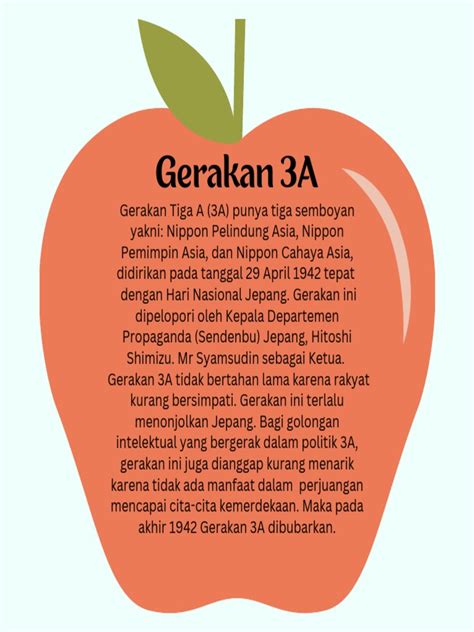
Understanding the Slogan of Gerakan 3AHey everyone, ever heard of the Gerakan 3A motto? It’s super important for understanding a unique chapter in Indonesian history, particularly during the Japanese occupation. The
Gerakan 3A
, or “Three A’s Movement,” was a propaganda organization established by the Japanese in Indonesia during World War II. Its primary objective was to garner support from the Indonesian populace for Japan’s war efforts, presenting Japan as the liberator of Asia from Western imperialism. At its core, the movement aimed to influence public opinion and mobilize resources, framing the occupation as a benevolent act rather than a foreign invasion. The
motto of the Gerakan 3A
was specifically crafted to resonate with the aspirations of the Indonesian people for independence, subtly redirecting their hopes towards Japanese leadership. Guys, understanding this slogan is key to unlocking the layers of Japanese propaganda and how it was designed to appeal to local sentiments. We’ll dive deep into each component of this powerful, yet ultimately short-lived, mantra. The
Gerakan 3A motto
wasn’t just a catchy phrase; it was a strategic tool, a
psychological weapon
in a sense, meant to pacify and gain cooperation from a population eager for change. The Japanese understood the desire for self-determination among Indonesians, and they cleverly exploited it by positioning themselves as the “Light,” “Protector,” and “Leader” of Asia. This seemingly benevolent message was designed to mask their true intentions: to exploit Indonesia’s natural resources and manpower for their greater East Asia Co-Prosperity Sphere. So, let’s peel back the layers and truly grasp the profound, albeit manipulative, meaning behind
Gerakan 3A’s famous motto
. This introduction sets the stage, highlighting the significance of the
motto
as a propaganda tool and its historical context, while maintaining a casual, friendly tone. It’s crucial to realize that this wasn’t just about winning a war; it was about establishing a new world order, with Japan at its helm, and the Gerakan 3A’s slogan was the very first step in selling that vision to a skeptical populace. They leveraged the deep-seated resentment against colonial powers, promising a brighter, self-governed future under Japanese guidance, a promise that would prove to be tragically misleading. We’re going to explore how each phrase of the motto was carefully engineered to achieve maximum psychological impact and what it truly signified for the people of Indonesia during that tumultuous period. We’re talking about a masterclass in wartime rhetoric, folks, and the Gerakan 3A’s motto is a prime example of it.## The First “A”: Nippon Cahaya Asia (Japan, Light of Asia)This
first “A”
,
Nippon Cahaya Asia
, or “Japan, Light of Asia,” was the cornerstone of the Gerakan 3A’s propaganda message, guys. It positioned Japan not just as a dominant power, but as a beacon of hope and enlightenment for the entire Asian continent. Imagine being an Indonesian under colonial rule – for centuries, you’d been told that progress and civilization came from the West. Suddenly, Japan, an Asian nation, had defeated Western powers and was proclaiming itself as the
light
that would guide Asia out of the darkness of colonialism. This was a powerfully resonant narrative for many, especially those who yearned for self-determination and an end to Western dominance. The Japanese regime used this slogan to portray themselves as the saviors, the ones who would
awaken
Asia from its slumber and lead it to a glorious future, free from European influence. They wanted Indonesians to see them as liberators, not new colonizers. The phrase “Cahaya Asia” suggested intelligence, modernity, and a guiding force, implying that Japan possessed the superior knowledge and strength to lead Asia. For many Indonesians who had long suffered under Dutch rule, this
promise of light
offered a glimmer of hope, an alternative to the status quo. It was a strategic move to foster solidarity and encourage cooperation with the Japanese forces. They emphasized shared Asian identity and painted the Western powers as the common enemy, exploiting existing anti-colonial sentiments. This
first “A”
was crucial in establishing the ideological foundation for the Greater East Asia Co-Prosperity Sphere, portraying it as a benevolent alliance rather than an imperialistic expansion. They really pushed the idea that Japan was culturally and racially superior among Asian nations, thus fit to lead. The
Gerakan 3A
used this mantra to gain psychological leverage, appealing to the deep-seated desire for dignity and respect among colonized peoples. This wasn’t just a political statement; it was a cultural one, aiming to reverse centuries of European-centric narratives. By presenting themselves as the “Light of Asia,” the Japanese sought to legitimize their presence and establish a moral authority, laying the groundwork for the subsequent “Protector” and “Leader” roles. It was an incredibly persuasive, albeit ultimately false, dawn for many. They capitalized on the humiliation of Western defeats in Asia, presenting themselves as the bringers of a new, proud Asian era. This messaging was carefully crafted to tap into existing feelings of oppression and the yearning for recognition on the global stage, positioning Japan as the natural successor to Western colonial powers, but with an Asian face.## The Second “A”: Nippon Pelindung Asia (Japan, Protector of Asia)Moving on to the
second “A”
, we have
Nippon Pelindung Asia
, which means “Japan, Protector of Asia.” This part of the
Gerakan 3A motto
was designed to build upon the “Light” narrative, reinforcing Japan’s role as the benevolent guardian of the continent against external threats, primarily the Western Allied powers. After establishing themselves as the enlightened guide, the Japanese needed to present themselves as the
strength
that would safeguard this newfound Asian prosperity. Guys, think about it: if you’ve been under colonial rule, security often comes from the colonizer, but also from fighting them. The Japanese cleverly stepped into this void, claiming they would protect Indonesia and other Asian nations from the very powers that had subjugated them for so long. This slogan played directly into the anxieties and hopes of a population that had experienced invasion and exploitation. They promised to shield Asia from the perceived dangers of Western imperialism and future aggression. This
protection
wasn’t just about military defense; it was also about cultural and economic
protection
. The Japanese asserted that they would prevent Western exploitation of Asian resources and preserve Asian values, which they argued were under threat from Western influence. In reality, of course, Japan was exploiting these resources and manpower for its own war machine, but the propaganda painted a very different picture. The “Pelindung” aspect aimed to instill a sense of trust and dependence on Japan, encouraging Indonesians to view them as allies rather than occupiers. It suggested a powerful, capable hand that would ensure peace and stability, creating a safe environment for Asian nations to flourish. They disseminated this idea through various media – radio broadcasts, posters, and public speeches – constantly reiterating that Japan was the only force strong enough to
protect
Asia’s future. This also served to justify their military presence and actions across the region, framing them as necessary defensive measures for the greater good of Asia. It was a powerful psychological tactic, preying on the desire for safety and security that had been absent under previous colonial regimes. The
Gerakan 3A
used this slogan to foster a sense of gratitude and loyalty among the Indonesian people, hoping to transform passive acceptance into active cooperation with their objectives. This emphasis on
protection
was vital in legitimizing their authority and maintaining control over the vast territories they had conquered. They sought to create a narrative where Japanese forces were seen as a shield, defending vulnerable Asian nations from external aggression, while conveniently overlooking their own aggressive expansion. This concept of being the “Protector” was integral to establishing Japan’s self-proclaimed right to rule, creating a facade of responsibility and care that obscured their true agenda of resource acquisition and regional dominance.## The Third “A”: Nippon Pemimpin Asia (Japan, Leader of Asia)Finally, we come to the
third and perhaps most assertive “A”
:
Nippon Pemimpin Asia
, or “Japan, Leader of Asia.” This component of the
Gerakan 3A motto
was the culmination of the entire propaganda effort, solidifying Japan’s self-proclaimed position at the apex of the Asian hierarchy. Having established itself as the “Light” and the “Protector,” Japan then declared its right and capability to be the ultimate “Leader.” This wasn’t just a suggestion; it was a bold statement of dominance and direction, demanding allegiance and obedience from other Asian nations. Guys, this part of the slogan really hammered home the idea that Japan was not just an equal partner, but the
supreme authority
in the region. It aimed to justify their military and political control, presenting it as a natural and necessary progression for Asia’s future. The concept of “Pemimpin” implied that Japan possessed the vision, wisdom, and strength to guide all Asian peoples towards a shared destiny, namely the Greater East Asia Co-Prosperity Sphere. This leadership was framed as enlightened and beneficial, promising a future of prosperity and independence from Western powers, under Japanese guidance. Of course, the reality was a hierarchical structure where Japan was at the top, and other Asian nations were subordinate, serving Japan’s strategic and economic interests. This
leadership
was not consultative; it was dictatorial, emphasizing obedience and cooperation with Japanese policies. The propaganda machine of the
Gerakan 3A
used “Nippon Pemimpin Asia” to cultivate a sense of inevitability and acceptance among the Indonesian population. They wanted people to believe that resisting Japanese leadership was futile and against their own best interests. This slogan was a direct call for loyalty and a subtle threat to those who might consider opposition. It aimed to consolidate power and establish a long-term framework for Japanese hegemony in Asia. By presenting themselves as the natural and rightful
leader
, the Japanese sought to integrate Indonesia and other occupied territories into their imperial system, not as independent equals, but as essential components of a Japan-centric order. This was the ultimate expression of their ambition, cloaked in the rhetoric of pan-Asianism and liberation. The
Gerakan 3A
utilized this phrase to cement Japan’s role as the undisputed head of a new Asian order, one where their directives were to be followed without question. It was the linchpin of their vision for a unified, Japan-led Asia. The message was clear: Japan would not merely assist but would
direct
the future course of Asia, positioning itself as the indisputable authority.## The Historical Context and Shortcomings of Gerakan 3ASo, guys, let’s talk about the
historical context
surrounding the
Gerakan 3A
and its ultimate
shortcomings
. The
Gerakan 3A
was launched on March 29, 1942, shortly after Japan occupied Indonesia, replacing the Dutch colonial administration. Its establishment was part of Japan’s broader strategy to win the hearts and minds of the conquered peoples, consolidate their control, and mobilize resources for their war effort. The Japanese quickly realized that direct military rule could be counterproductive and that gaining local support was crucial. They needed a vehicle to convey their propaganda and foster cooperation, and that’s exactly what the
Gerakan 3A
was designed to be. The movement was led by Mr. Syamsudin (later known as Mr. Syamsuddin Sutan Makmur) and other prominent Indonesian figures, under close Japanese supervision. The idea was to use Indonesian faces to promote Japanese ideals, making the message more palatable to the local population. However, despite its carefully crafted
motto
and initial appeal to anti-colonial sentiments, the
Gerakan 3A
was met with limited success and ultimately proved to be short-lived. Why, you ask? Well, there were several critical
shortcomings
. Firstly, the Japanese administration’s true colors quickly began to show. The benevolent “Light,” “Protector,” and “Leader” narrative clashed sharply with the harsh realities of occupation. Indonesians experienced forced labor (
romusha
), economic exploitation, food shortages, and severe restrictions on their freedoms. The
Gerakan 3A motto
became increasingly hollow as the population suffered under Japanese rule. Secondly, the movement was perceived by many Indonesian nationalists as merely a puppet organization for Japanese interests. Leaders like Sukarno and Hatta, who would later lead Indonesia to independence, viewed it with skepticism, understanding it as a tool for propaganda rather than genuine liberation. They were wary of exchanging one colonial master for another. Thirdly, the
Gerakan 3A
itself lacked strong, independent leadership and a clear long-term vision for Indonesia. Its objectives were entirely dictated by Japan’s wartime needs, which limited its ability to genuinely resonate with Indonesian aspirations for true independence. It failed to cultivate a deep-rooted sense of nationalism that prioritized Indonesia above Japan. Finally, the emphasis on “Japan” in every part of the
motto
made it abundantly clear who was in charge and whose interests were paramount. It wasn’t about “Indonesia for Indonesians” but “Asia for Japan.” This fundamental contradiction eroded public trust. Consequently, the
Gerakan 3A
was officially dissolved by the Japanese just a few months after its inception, around late 1942, to be replaced by organizations like
Putera
(Pusat Tenaga Rakyat - Center of People’s Power) which aimed for broader and more effective mobilization, by collaborating with more influential Indonesian nationalist figures. Despite its brevity, understanding the
Gerakan 3A
and its
motto
provides crucial insight into the early stages of Japanese occupation propaganda and the complex dynamics of Indonesian nationalism during World War II. It illustrates how even well-packaged propaganda can fail when the lived experience of the people contradicts the promises made.## The Lasting Legacy and Lessons from Gerakan 3A’s MottoEven though the
Gerakan 3A
itself was a fleeting moment in history, its
motto
–
Nippon Cahaya Asia, Nippon Pelindung Asia, Nippon Pemimpin Asia
– leaves us with some really important
lasting legacies and lessons
, guys. First off, it’s a stark reminder of the power and cunning nature of propaganda, especially during wartime. The Japanese expertly crafted a message that appealed to the deep-seated desire for independence and dignity among Indonesians, offering an alternative to centuries of Western colonialism. They used words like “Light,” “Protector,” and “Leader” to present themselves as benevolent liberators, masking their true imperialistic intentions. This teaches us to always be critical consumers of information, especially when grand promises are made. It highlights how quickly a seemingly positive message can turn into a tool for control and exploitation when not backed by genuine actions and respect for self-determination. The
motto
served as a blueprint for how a conquering power attempts to legitimize its presence by tapping into existing grievances and aspirations of the occupied population. Secondly, the failure of the
Gerakan 3A
to achieve its long-term goals despite this compelling
motto
offers a powerful lesson about the resilience of genuine nationalism. While some Indonesians might have initially been swayed by the anti-Western rhetoric, the harsh realities of Japanese occupation – forced labor, resource extraction, and suppression of true independence movements – quickly exposed the hollowness of the 3A promises. People realized that exchanging one master for another wasn’t true freedom. This emphasizes that genuine liberation and self-determination cannot be imposed by an external power, regardless of how attractive their slogans might be. The
Gerakan 3A motto
ultimately failed because it prioritized Japanese interests over true Indonesian sovereignty, something the Indonesian people were fiercely committed to. The experience also underscored the importance of
authentic leadership
within a national movement. When Indonesian nationalist figures later collaborated with the Japanese through organizations like Putera, they often did so with their own agenda, using the opportunities to build national unity and prepare for independence, rather than blindly serving Japanese interests. The
Gerakan 3A
, with its direct Japanese-centric
motto
, was simply too overt in its subservience. The slogan also highlights the complex geopolitical dynamics of World War II in Asia, where the struggle against Western imperialism became intertwined with new forms of Asian imperialism. The dream of a united Asia, free from Western control, was a powerful ideal, but one that was tragically hijacked by Japan’s expansionist ambitions. In essence, the
Gerakan 3A motto
stands as a historical artifact, teaching us about the manipulative power of carefully constructed narratives and, more importantly, the unwavering spirit of a people determined to define their own destiny, free from any foreign “light,” “protector,” or “leader.” It’s a testament to the fact that actions always speak louder than even the most persuasive words. The ultimate lesson from the
Gerakan 3A
is that true freedom comes from within, not from external forces with hidden agendas, no matter how appealing their initial promises may seem. This historical episode serves as a vital reminder for future generations about the importance of discerning genuine alliances from deceptive propaganda.
